
Ave Maria Needs a Track Plan That Leaves Room for the Moment
Worship Music & Hymn Resources
By Spiritrax Content Studio · June 9, 2026
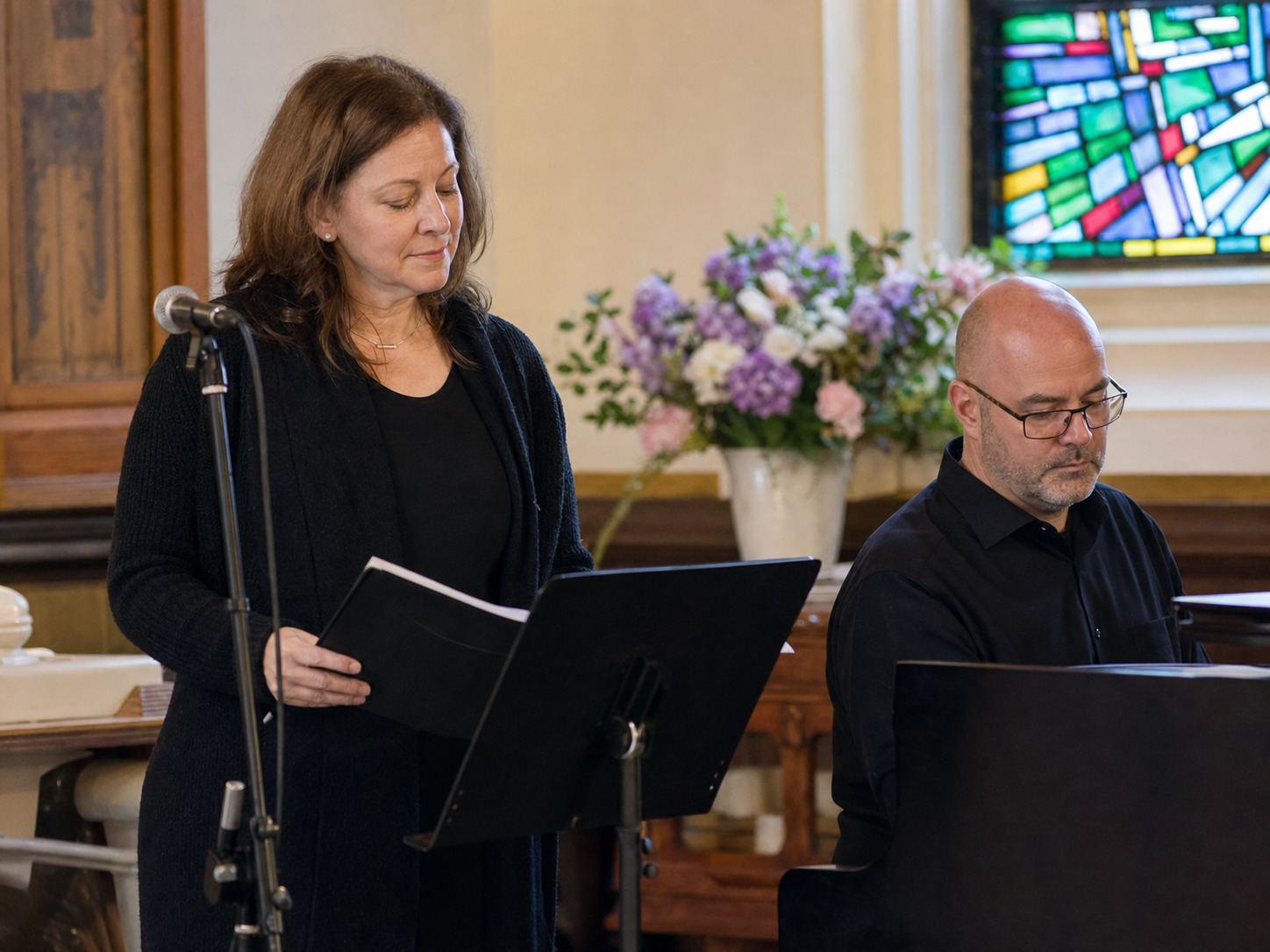
Ave Maria often carries more emotional weight than its length suggests.
For a wedding, funeral, memorial, church service, recital, or small chapel gathering, the song is rarely just a musical selection. It may mark a procession, support a prayerful moment, honor a family request, or give a soloist one quiet place to sing with focus.
A backing track can help when a pianist, organist, harpist, or ensemble is not available. It can also make the moment more dependable for a singer who needs a consistent tempo and key. The best plan is simple: choose the right version, rehearse the cue, and leave enough space for the room.
Start with the service moment
Before choosing the track, decide what job Ave Maria has in the event.
- Wedding ceremony: often works as a reflective solo, unity moment, prelude, or Marian devotion where appropriate.
- Funeral or memorial: needs calm timing, clear entrances, and sensitivity to the family and service flow.
- Church service: should fit the liturgical or pastoral context, not just the singer's preference.
- Recital or concert: may allow more musical freedom, but still needs a clean entrance and ending.
That context affects key, tempo, volume, and placement. A track that feels beautiful in rehearsal can feel too long, too loud, or too exposed if it is not matched to the moment.
Choose a version the singer can trust
Different Ave Maria settings can feel very different in the voice. Schubert and Bach-Gounod versions are both familiar, but they do not sit the same way for every singer or event.
Before committing, run the track with the actual soloist and listen for:
- a comfortable opening entrance,
- breath space in long phrases,
- a key that does not force the singer,
- a tempo that supports the text and room,
- and an ending that lands without awkward silence.
If the singer has to fight the track, the congregation or audience will feel that tension. A dependable accompaniment should help the singer stay present.
Give the sound team a clean cue
Many Ave Maria problems are not musical. They are cue problems.
The sound operator or service lead should know:
- who gives the start cue,
- whether the singer needs a nod, breath, or spoken introduction,
- where the microphone should be placed,
- how loud the track should be under the voice,
- whether the track starts immediately or after silence,
- and what happens if the ceremony flow changes.
Do not wait until the service begins to answer those questions. Even a short sound check can prevent a rushed entrance.
Keep the track volume supportive
Ave Maria usually does not need to fill every corner of the room. The accompaniment should support the singer without covering the line.
In a small chapel, the track may need to sit lower than expected. In a larger sanctuary, the track may need more body so the singer does not feel alone. Test from the back of the room if possible, because the balance at the microphone is not always the balance the listeners hear.
Plan the ending
The ending matters because the room often stays quiet after Ave Maria.
Decide in advance:
- whether the service continues immediately,
- whether there is a prayer or reading after the song,
- whether the soloist remains in place,
- who fades or stops the track if needed,
- and how much silence is appropriate.
That small amount of planning keeps the moment from feeling abrupt.
Rehearsal checklist for Ave Maria
Before the event, confirm:
- the exact Ave Maria version,
- the singer's key,
- the track file and backup file,
- the playback device,
- the speaker or sound-system connection,
- the microphone position,
- the start cue,
- the ending plan,
- and the service placement.
If the event is a funeral, memorial, or wedding, keep the checklist especially calm and practical. Families and service leaders should not have to solve audio problems in the moment.
FAQ: Ave Maria backing tracks
Can Ave Maria be sung with a backing track at a wedding?
Yes, a backing track can support Ave Maria at a wedding when the ceremony leader, venue, and singer agree on the placement, sound setup, and timing. Confirm any church or venue music requirements before the service.
Is Ave Maria appropriate for funerals?
Ave Maria is often requested for funerals and memorials, but the final decision should fit the family's wishes and the service context. A calm accompaniment track can help the soloist keep the moment steady.
Which Ave Maria version should I choose?
Choose the version that fits the singer, event, and room. Schubert and Bach-Gounod settings are familiar options, but the right choice depends on key, range, tempo, and service flow.
What should I test before the service?
Test the track, speaker or sound system, microphone, volume balance, start cue, and ending. Also keep a backup copy of the track available on a second device if possible.
The takeaway
Ave Maria works best when the track gives the singer stability and then gets out of the way. Choose the version carefully, rehearse the cue, check the sound in the actual room, and let the moment stay human.
Prepare Ave Maria for a wedding, funeral, church service, or solo performance with a clear accompaniment track your singer and sound team can follow.
Listen to Ave Maria