
Hallelujah Chorus Needs a Rehearsal Track the Choir Trusts
Worship Music & Hymn Resources
By Spiritrax Content Studio · June 19, 2026
Updated June 19, 2026
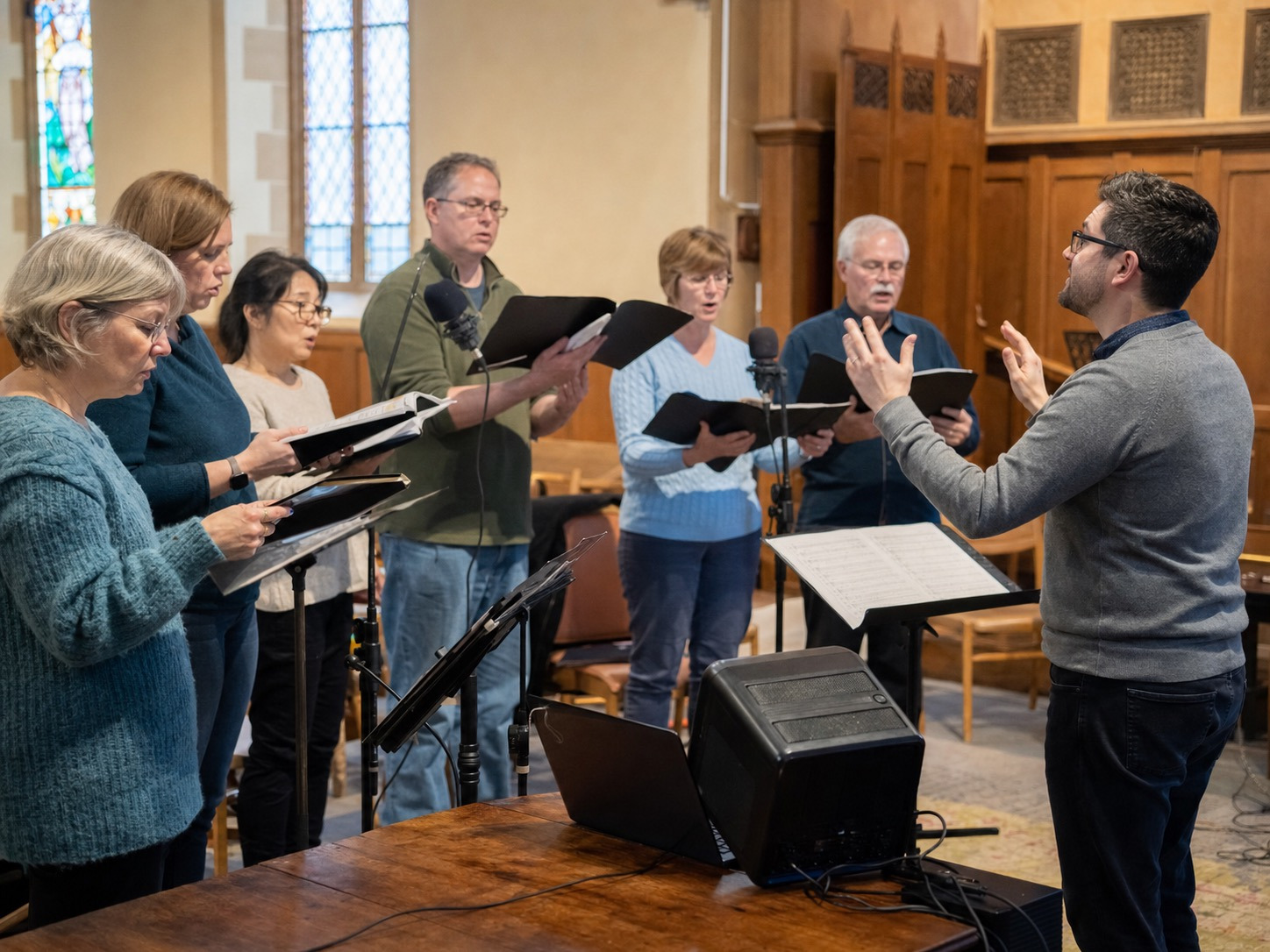
A familiar choral work can still feel unstable when the choir has not rehearsed with the exact accompaniment.
Handel's famous chorus is often used for Easter, Christmas, special services, community concerts, and worship celebrations. Many singers know the sound of it. That does not mean they know where every entrance, cutoff, tempo change, or final cue belongs in your room.
When a choir uses a backing track, the goal is not just to press play. The goal is to make the track feel like a dependable rehearsal partner.
Start with the service or concert role
Before choosing the file, name what the chorus needs to do in the program.
It may serve as:
- a choir anthem,
- a congregational celebration moment,
- an Easter or Christmas feature,
- a concert closer,
- a processional or recessional cue,
- a community choir selection,
- a recorded or streamed worship element.
Each role changes the rehearsal plan. A choir anthem can focus on precision and blend. A celebratory service moment may need clear verbal setup, extra sound-check time, and a confident first cue. A concert closer needs an ending that feels settled and easy for the sound operator to land.
Do not let the track choice float separately from the program purpose.
Rehearse entrances before singing full runs
The biggest backing-track risk is not usually the middle of the piece. It is the first entrance after the introduction, the return after a rest, the cutoff before the next section, or the moment when the choir expects the conductor to hold time but the track keeps moving.
In early rehearsal, isolate:
- the opening entrance,
- sectional entrances after rests,
- cutoffs that need to line up with the track,
- the strongest dynamic lift,
- the final cadence and release.
Run those short moments before singing the whole piece. If the choir can trust the landmarks, full runs will become calmer.
Use the guide demonstration as a teaching step
The Spiritrax track includes guide demonstration support, which can help singers hear how the choral line sits against the accompaniment. Use it early for learning, especially when volunteers are reviewing parts outside rehearsal.
Then move toward the accompaniment track as soon as the choir is ready. A guide demo is useful for learning the map, but the service or concert needs singers who can hold their parts independently.
A simple rehearsal sequence works well:
- listen with the guide demonstration,
- mark entrances and cutoffs,
- rehearse short sections with the backing track,
- run the full piece with the conductor's service cues,
- confirm sound balance in the actual room.
That progression keeps the track helpful without making the choir dependent on the demo.
Check tempo and conductor communication
A backing track will not wait for the room. That is why conductor communication matters.
The conductor should rehearse the exact gesture that starts the track, brings in the choir, shapes cutoffs, and releases the final chord. If the sound volunteer starts playback, decide whether the conductor, choir director, worship leader, or sound operator gives the first cue.
Avoid vague instructions like "start when ready." Use a clear plan:
- track starts after the spoken introduction,
- conductor gives one preparatory gesture,
- choir enters on the first vocal cue,
- sound operator fades only after the final release if needed.
When everyone knows who owns the first cue, the music starts with less tension.
Balance the track for the room
Choral backing tracks should support the choir without covering the text.
During sound check, stand in several places in the room if possible. The choir may hear the track clearly while the congregation hears mostly accompaniment, or the opposite may happen if monitors and house speakers are not balanced.
Check:
- whether singers can hear the introduction,
- whether the conductor can hear the beat,
- whether the congregation can hear the choir text,
- whether microphones are picking up folders or page turns,
- whether the track becomes too loud at the final section,
- whether the ending needs a clean stop or natural ring.
This is practical work, but it protects the musical moment.
Keep the sheet music and audio together
The product page includes a sheet music PDF with lyrics, which is useful only if the choir and director know which audio version it matches.
Keep rehearsal materials in one folder:
- backing track,
- guide demonstration,
- sheet music PDF,
- printed cue notes,
- service order,
- backup file.
If the piece is being used for more than one service or season, save the folder with a clear date and event name. Future volunteers will thank you.
Decide whether the room should join
Some communities know the chorus well enough to participate. Others will listen while the choir leads. Both choices can work, but they require different preparation.
If the congregation or audience is invited to join, give a clear invitation before the track begins and make sure the key, volume, and tempo support ordinary singers. If the choir is presenting it as an anthem, let the introduction focus attention and avoid asking the room to guess whether they should sing.
Clarity is respectful. It helps the music serve the moment instead of making people uncertain.
FAQ: Hallelujah Chorus backing tracks
Can a choir rehearse Handel's Hallelujah Chorus with a backing track?
Yes. A backing track can support rehearsal when the choir marks entrances, cutoffs, tempo landmarks, and the final release before relying on full runs.
Should we use the guide demonstration or accompaniment track?
Use the guide demonstration early for learning and confidence. Use the accompaniment track for final rehearsal so singers can perform independently with the actual service or concert audio.
Is this only for Easter?
No. The chorus is commonly used for Easter, Christmas, worship celebrations, community concerts, and special services. The best use depends on the program role and the permissions required for that setting.
What should the sound volunteer know?
They should know who gives the start cue, when the track begins, whether the final ending rings or fades, where the backup file is stored, and how loud the track should sit under the choir.
The takeaway
A trusted backing track gives the choir a stable map.
Rehearse the entrances, use the guide demonstration as a learning step, move to accompaniment before the service, balance the sound in the room, and keep the sheet music, audio, and cue notes together. Then the chorus can feel prepared instead of merely familiar.