
Let “Let All Mortal Flesh Keep Silence” Leave Room After Every Phrase
Holiday & Special Occasion Music
By Spiritrax Content Studio · November 10, 2026
Updated November 10, 2026
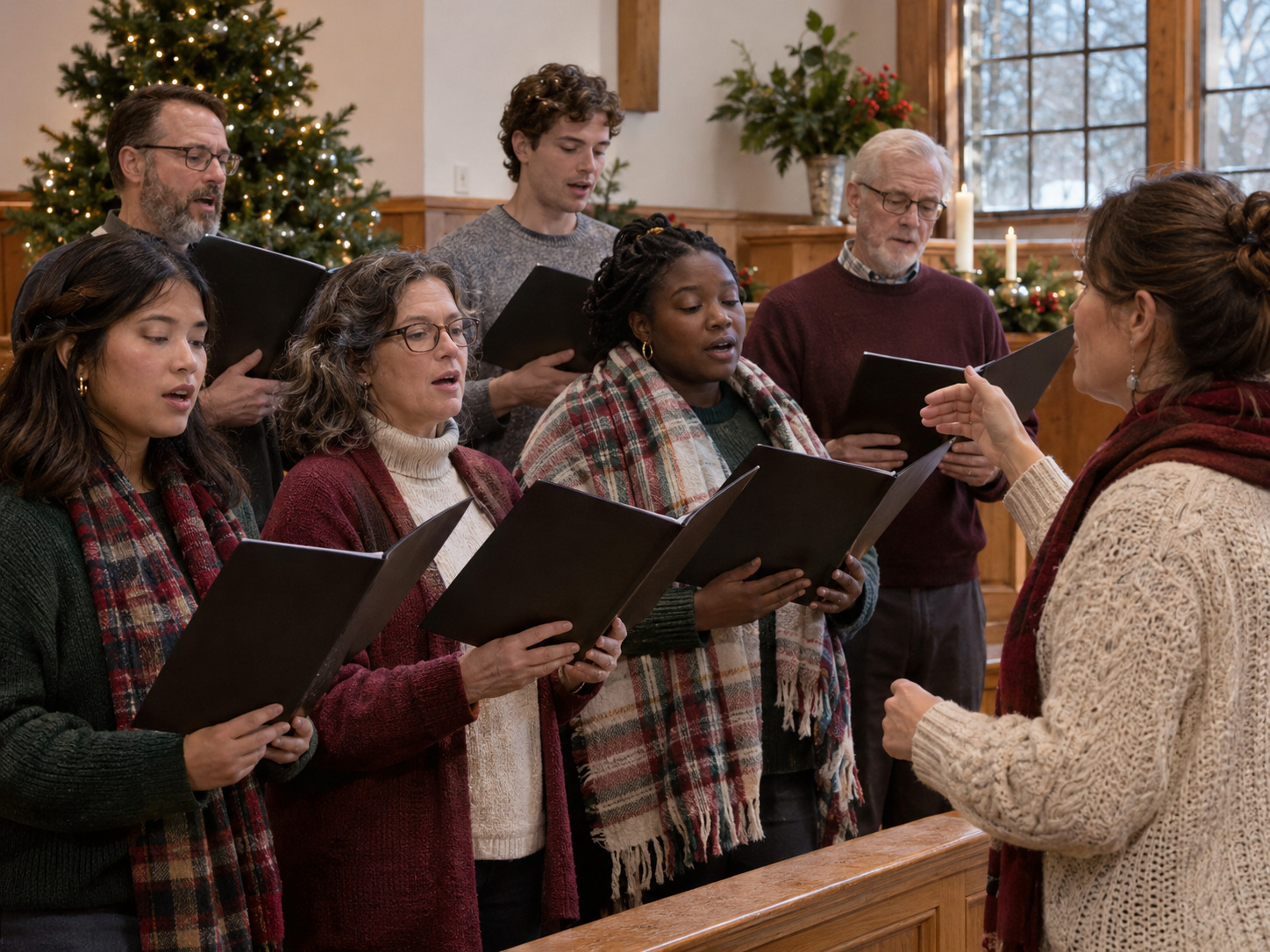
The short answer: let the rests do real work. Spiritrax’s current arrangement of “Let All Mortal Flesh Keep Silence” uses string orchestra, piano, and French horn across three verses, with an added bar of rest after each phrase to create even four-bar phrasing. Those spaces should feel like part of the worship plan, not like gaps someone needs to fill.
A quiet hymn can lose its shape when singers rush toward the next entrance. It can also become heavy when every phrase is treated with the same weight. Rehearsal should make the timing dependable enough that the room can remain attentive.
Learn the silence as carefully as the notes
Count through the added rest before singing. Ask the leader, choir, soloist, and sound volunteer to agree on where the breath ends and the next phrase begins.
Then rehearse one verse with no spoken counting. Watch for the same shared preparation before every entrance. If one person visibly panics during the rest, return to the count and make the cue simpler.
The silence should not feel empty. It should give the text time to settle.
Choose the key for the complete melody
The current Spiritrax product page offers D minor, C minor, and F minor versions. Test the highest and lowest phrases in all three verses before choosing.
Do not select a key from the opening alone. A key that feels comfortable at first may place a later phrase too high or too low for the actual soloist, choir, or congregation.
For a choir, listen for whether lower voices can remain present without forcing. For a soloist, check whether the final verse still allows clear diction and a calm tone. For congregational use, choose the version ordinary voices can carry without turning the hymn into a vocal test.
Build one three-verse arc
The arrangement contains three verses. Give each one a distinct musical job.
- Verse one can establish attention and the basic pulse.
- Verse two can deepen the sound without rushing the text.
- Verse three can feel fuller while preserving the same measured phrasing.
Growth does not have to mean a large volume increase. It may come from clearer consonants, more unified entrances, a warmer tone, or a slightly broader sense of line.
Write the intended arc on the service cue sheet so the leader and sound volunteer are preparing the same shape.
Rehearse the first entrance and the final release
Quiet music often becomes uncertain at the edges. Practice the exact cue that starts playback, the breath before the first word, and the release after the final phrase.
The sound volunteer should know:
- the exact file and key,
- who gives the start cue,
- whether the leader needs a moment of silence before the track,
- the expected starting volume,
- whether the final sound should finish naturally or be faded for the service plan.
Keep the cue sheet short enough to use under pressure.
Let the orchestration support the room
Strings, piano, and French horn can give the hymn warmth and gravity, but the track should not cover the text. Test playback from the middle and back of the room, not only beside a speaker.
If words disappear, lower the track before asking singers to push. If the room is highly reverberant, leave the written rests intact and resist adding extra delay between phrases. The arrangement already supplies space.
For a smaller room, a lower playback level may preserve the intimacy better than a larger vocal sound.
Keep the visual focus calm
Decide in advance who leads each entrance. A choir may watch a conductor; a soloist may take a visible breath from the worship leader; a congregation may need a clear gesture before the next phrase.
Avoid several people giving competing cues. One calm cue is easier to follow than a cluster of corrections.
If the hymn accompanies a ceremonial or reflective moment, confirm the timing with the person responsible for that part of the service. The music should support the moment rather than force it to match an untested duration.
FAQ: planning this hymn with a backing track
Why does the arrangement include a rest after each phrase?
The current Spiritrax description says the extra bar creates even four-bar phrasing. In practice, it also gives singers a dependable place to breathe and prepare the next entrance.
Which keys are available?
The current product page lists D minor, C minor, and F minor. Test the full melody with the people who will actually sing before choosing.
Can a small choir use the track?
Yes, when the selected key fits the singers, the playback level leaves room for the words, and one leader gives clear entrances. Rehearse the rests and ending with the same care as the sung phrases.
The takeaway
This hymn does not need to be hurried or made larger than the service requires. Choose the key for the full melody, rehearse every rest, give the three verses a clear arc, and let one calm cue hold the room together.
Rehearse the full three-verse shape in a key that fits your singers with the Spiritrax accompaniment track.
Hear the accompaniment