
Memorial Day Worship Music: A Practical Backing Track Plan
Holiday & Special Occasion Music
By Spiritrax Content Studio · April 29, 2026
Updated April 29, 2026
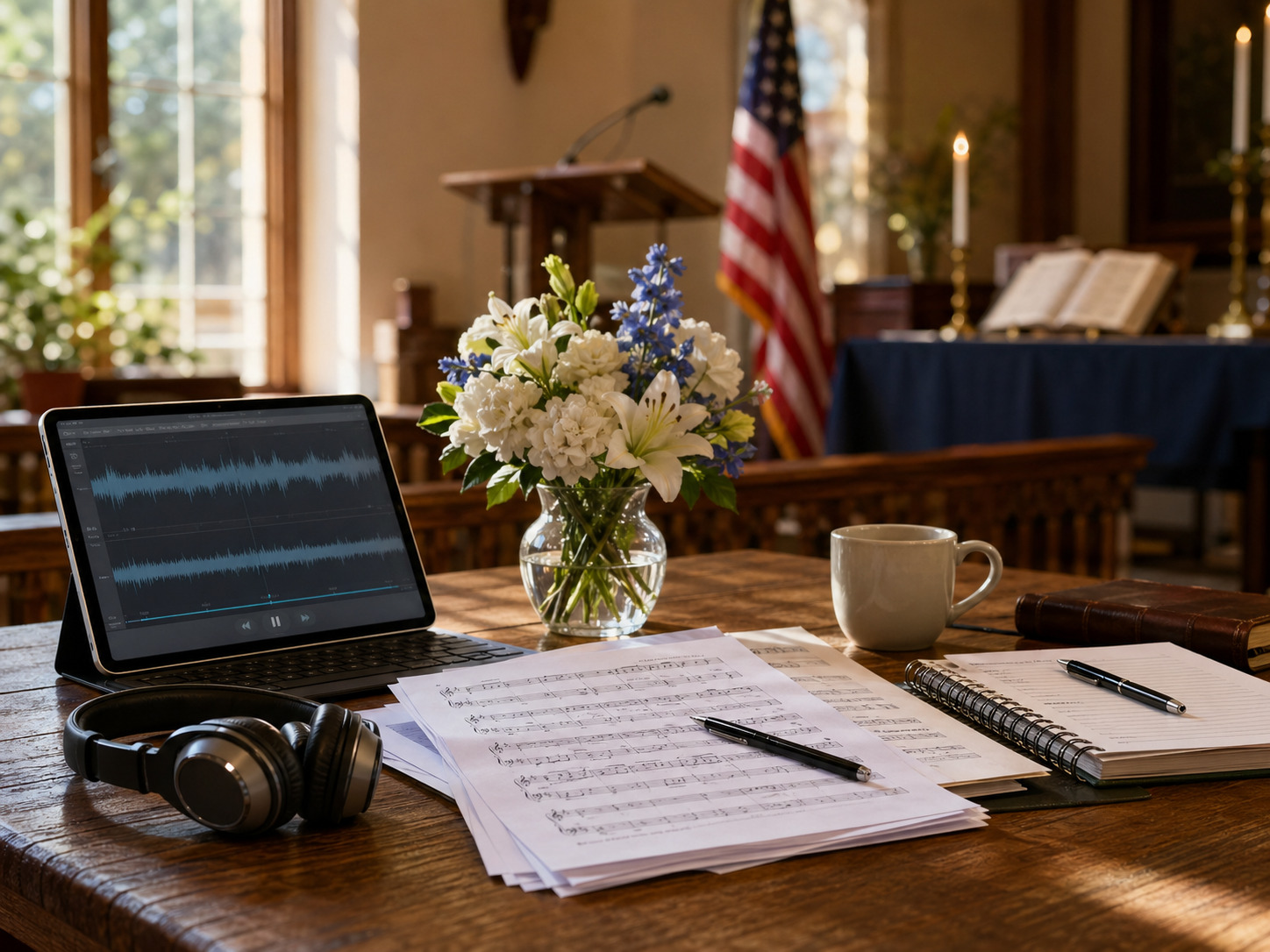
Memorial Day falls on Monday, May 25, 2026. For churches, chapels, schools, retirement communities, and civic worship gatherings, the weekend often calls for a careful musical balance: gratitude without spectacle, patriotism without turning the service into a rally, and remembrance that leaves space for prayer.
Backing tracks can help when the worship team is small, the choir has limited rehearsal time, or a soloist needs a dependable arrangement in a comfortable key. The goal is not to make Memorial Day louder. The goal is to make the music steady, singable, and appropriate for the tone of the day.
Start with the service purpose
Memorial Day is a day of remembrance for U.S. military personnel who died while serving. The U.S. Department of Veterans Affairs describes it as a time to honor those who gave their lives in service to the nation. That distinction matters when choosing music. A Veterans Day service may lean more celebratory. A Memorial Day service usually benefits from a quieter emotional arc: welcome, thanksgiving, remembrance, prayer, hope, and sending.
Before choosing songs, decide what role music needs to play in the service:
- Gather the congregation.
- Support a moment of remembrance.
- Provide a hymn or patriotic song people can sing comfortably.
- Underscore prayer, readings, or a candle-lighting moment.
- Close with hope rather than triumphalism.
That flow keeps the music from feeling random, and it helps you decide where a backing track should be full, simple, instrumental, or led by a vocalist.
Choose patriotic music with a worship frame
A patriotic song can work beautifully in a worship service when the surrounding language keeps the focus clear. Introduce the song as a prayer for peace, gratitude, sacrifice, or civic responsibility. Avoid forcing every moment into a march tempo or big finish.
Spiritrax's Patriotic Backing Tracks collection is useful here because it includes arrangements that can support several service moments, from reverent solo singing to congregational or choir-led participation. For Memorial Day, start with the most reflective songs first, then decide whether the service needs a brighter closing.
Good options include:
- America the Beautiful for a prayerful, spacious moment of national reflection.
- My Country Tis of Thee when you want familiar hymn-like language and a singable congregational feel.
- God Bless America for a confident but still prayer-centered closing or postlude.
- The Star-Spangled Banner when the event includes a civic opening, flag presentation, school program, or community ceremony.
The right choice depends less on popularity and more on placement. A song that feels too large for a prayer response may work well as a postlude. A song that feels too gentle for a community ceremony may be perfect beneath a spoken remembrance.
Build a simple Memorial Day worship set
Here is a practical structure for a church or community worship service using backing tracks.
Prelude or gathering music
Use a soft instrumental track or a familiar patriotic hymn played at a moderate volume. This is not the moment to demand attention. Let the music create a respectful room tone as people arrive.
Call to worship
Keep this spoken. A brief welcome, a sentence naming the day, and a prayer for those who grieve will do more than a long explanation.
Congregational hymn or solo
Choose one accessible song. If your congregation sings well, use a key that sits comfortably for mixed voices. If a soloist is leading, choose the best key for that person and let the congregation listen rather than struggle.
Spiritrax tracks are helpful because many are available in multiple keys, and guide vocal demos can support rehearsal before the service. That matters when a volunteer soloist is stepping in for one weekend.
Remembrance moment
This is often where less is more. Consider using music under:
- a reading of names,
- a candle lighting,
- a moment of silence,
- a pastoral prayer,
- or a short reflection from a chaplain, veteran, or family member.
Keep the backing track low enough that speech is clear. If the track has a strong rhythmic build, choose a quieter section or use a shorter excerpt. A Memorial Day remembrance should never feel rushed by the accompaniment.
Closing or sending song
The ending can move toward hope, but it should not erase the weight of the day. If you choose a larger patriotic song, introduce it with care. A sentence like "We close with a prayer for peace, gratitude, and faithful service" gives the congregation a frame for singing.
Rehearsal checklist for backing tracks
A smooth service depends on decisions made before Sunday morning. Use this checklist during the week:
- Confirm the service order and exact track placement.
- Choose the key early, especially if a soloist is leading.
- Download the final MP3 and store it somewhere the sound operator can access without logging into a personal account.
- Test the track through the actual sound system, not just laptop speakers.
- Mark start, fade, and stop points in the service script.
- Give the worship leader, sound operator, and pastor the same printed or digital order.
- Rehearse transitions, not just the song.
- Keep a backup copy on a second device.
If the service includes a livestream or recorded video, confirm your music and performance licenses separately. Spiritrax backing tracks can be used in live performance, and the Spiritrax FAQ notes that some copyrighted songs may require a CCLI license or other venue license depending on use. Streaming, video, and reposting are separate planning questions, so handle them before service day.
Common mistakes to avoid
Making every song big
Memorial Day music should have dynamic range. A full orchestral arrangement can be powerful, but the whole service should not sit at the same emotional volume. Pair larger songs with silence, scripture, prayer, or a simple spoken reading.
Choosing the original key by default
The best key is the one your singer or congregation can sing well. If the track is too high, people stop singing. If it is too low, the song loses energy. Spiritrax transpositions make this easier to solve before rehearsal.
Letting the track control the service
The track supports the service; it should not trap the pastor, reader, or prayer leader. If a remembrance moment needs flexibility, use a shorter excerpt, a fade, or an arrangement with a steady introduction.
Waiting until Sunday morning
Even a familiar song can become stressful if the sound team has never heard the track in the room. Run it once with the actual microphone, playback device, and speakers.
A thoughtful plan beats a crowded set
A strong Memorial Day worship plan usually needs fewer songs than people expect. Choose one or two pieces that carry the service well. Place them intentionally. Use backing tracks to support the singers, protect the tempo, and give the congregation a clear musical path.
For a complete starting point, browse Spiritrax's Patriotic Backing Tracks, including arrangements for America the Beautiful, My Country Tis of Thee, God Bless America, The Star-Spangled Banner, and more. With the right key, a clear service order, and a little rehearsal discipline, your Memorial Day music can feel reverent, prepared, and deeply human.
Build a thoughtful Memorial Day service with singable keys, guide vocals, lead sheets, and patriotic backing tracks ready for rehearsal.
Browse Patriotic Tracks