
O Thou That Tellest Needs One Voice Plan Before Rehearsal
Worship Music & Hymn Resources
By Spiritrax Content Studio · September 15, 2026
Updated September 15, 2026
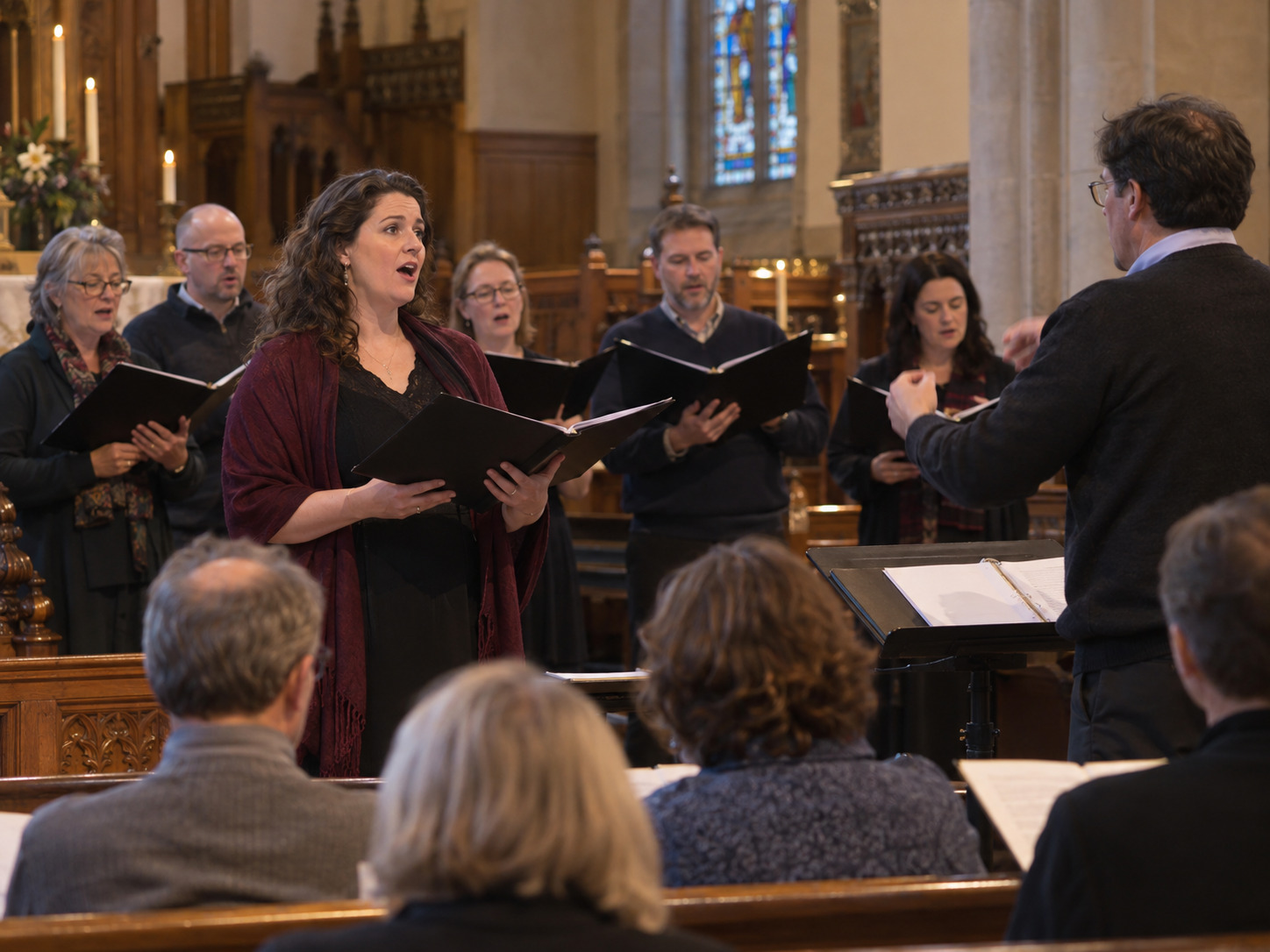
The short answer: decide before rehearsal whether “O Thou That Tellest Good Tidings to Zion” will feature one alto, a small ensemble, or the complete alto-and-choir movement. Then prepare the entrance, handoff, balance, and ending around that exact plan.
Spiritrax describes this Messiah movement as beginning with an alto aria and ending with a triumphant SATB chorus. That shape is the reason it can serve several kinds of Advent or Christmas programs—and the reason a vague plan can leave both soloist and choir underprepared.
Choose the musical shape before assigning singers
Start with the role this music will have in the service or concert.
You might use:
- the complete movement as a featured choir selection;
- the opening aria to feature an alto soloist;
- the choral conclusion with a prepared ensemble;
- or the full track as part of a longer Messiah Part 1 program.
Do not assume that “we are doing O Thou That Tellest” communicates enough. Write the intended beginning and ending in the running order, name the singers involved, and identify whether the choir joins after the solo section.
The reviewed Spiritrax catalog lists the movement in D major and identifies it as movement nine. Verify the current preview and the exact purchased file before rehearsal. A familiar recording or score edition is useful context, but the team needs to follow the accompaniment version it will actually use.
Test the alto part across the whole aria
An opening phrase can feel comfortable while the complete solo exposes different breath, range, or pacing needs. The alto should rehearse the whole intended section before the key and cut are treated as final.
Listen for:
- a calm first entrance after the introduction;
- sustained phrases that need a settled breath plan;
- the relationship between the vocal line and the orchestral pulse;
- consonants that must remain clear without rushing;
- and the final solo phrase before the ensemble takes over.
With a fixed backing track, the singer cannot create extra time silently and expect the accompaniment to follow. Musical shape still matters, but it has to be prepared inside the recording's sequence. Mark the accompaniment landmarks that support each long phrase, then practice arriving at them consistently.
If the reviewed D-major version does not fit the intended singer, use the customization path on the current product or collection page to describe the need. Name the full movement, the requested key, the section being performed, and whether both the solo and choral portions should change together. Do not request “a lower alto version” without confirming how that decision affects the choir.
Give the choir a real entrance plan
The chorus should not meet its first entrance only after the soloist has completed a full run.
Find the transition into the choral section and rehearse it in a short loop. The choir needs to know what it hears immediately before entering, how the conductor prepares the breath, and whether the accompaniment continues without a flexible pause.
Try this sequence:
- Begin in the final part of the alto section.
- Let the soloist complete the phrase at performance pace.
- Keep the track running exactly as it will in the event.
- Prepare and sing the choir's first entrance.
- Continue long enough for the ensemble to settle into the choral texture.
Repeat the loop by section if necessary. Then put the full choir back together and run the same handoff without stopping.
A backing track gives the ensemble consistent orchestral support, but it does not replace a shared consonant, vowel, cutoff, or conductor cue. Use the recording as the common frame, then rehearse the human decisions that sit inside it.
Decide whether one singer or several carry the opening
The catalog description names an alto aria, but real programs may have different available forces. A trained soloist, a small group of altos, or another carefully considered assignment can change the balance and clarity of the opening.
Make that choice with the music director rather than by convenience at the last rehearsal. Ask:
- Can the assigned singer or group sustain the complete line comfortably?
- Will the words remain clear against the accompaniment?
- Does the sound create an understandable contrast with the SATB chorus?
- Can the same plan be repeated in the performance room?
If several singers share the opening, rehearse unified vowels, consonant placement, breaths, and releases. More voices do not automatically create more security. An ensemble that breathes in four different places may sound less settled than one prepared soloist.
If one singer carries the aria, make sure the choir remains mentally inside the movement. Choir members should follow the score and listen for their entry landmark rather than treating the solo as a break.
Keep the track under the text
The accompaniment should give the singers orchestral support without covering the words.
Balance the solo section and chorus separately. A level that supports one alto may become too strong when the full choir enters, or a level chosen for the choir may make the soloist push. If the sound system permits a planned level change, rehearse the exact point and person responsible. Do not let the operator improvise a new mix during the event.
During sound check, listen from several parts of the room. Confirm that:
- the soloist can hear the introduction and pulse;
- the conductor can hear enough detail to cue the choir;
- the congregation or audience can understand the text;
- microphones do not exaggerate page turns or folder noise;
- and the final choral section feels full without becoming harsh.
Use a local downloaded file on a tested device. Turn off notifications and automatic playback features, and keep a second verified copy available. The worship or concert moment should not depend on a live stream loading correctly.
Place the movement in the program with care
For an Advent or Christmas service, decide what surrounds the music. A reading, prayer, spoken introduction, procession, or silence changes how the first note should arrive and how the ending should settle.
Write down:
- who introduces the selection;
- who gives the playback start cue;
- whether the soloist is already in place;
- when the choir stands or becomes visible;
- what happens after the final chord;
- and how much silence belongs before the next spoken word.
Avoid filling every possible space with sound. The movement already grows from an opening solo role into a larger choral statement. Let that built-in shape do the work.
If the program includes more opening movements from the oratorio, the Messiah Part 1 collection gives the team a relevant catalog path. For a broader overview, the Messiah song-list guide helps map solo, recitative, and choral choices across the work.
Rehearse with the same file the room will hear
Online previews help a director compare the catalog, but the final rehearsal should use the purchased accompaniment file and the actual playback system. The Spiritrax product pages note that preview audio contains a watermark voiceover; the downloaded accompaniment should be checked separately for the event.
Label the file with the movement title, selected key, and event version. Keep practice exports, alternate keys, and unrelated Messiah tracks out of the active playback folder. If the complete program uses several movements, number them in running order so a volunteer operator does not have to search by memory.
Run the selection once from the preceding spoken or musical cue through the silence after the final chord. That full-context pass reveals problems that a choir-only rehearsal may miss.
Final rehearsal checklist
- The program states whether the aria, chorus, or complete movement will be performed.
- The soloist and choir have rehearsed the exact selected file.
- The key fits the solo and choral assignments.
- The transition into the first SATB entrance has been looped and then run in context.
- The conductor and operator share one visible or spoken start cue.
- Solo and choir balance have been tested from the audience area.
- The final chord and the silence afterward have an agreed plan.
- The file and backup are labeled and stored locally.
- The service or concert leader has confirmed the placement and applicable permissions.
Questions about “O Thou That Tellest” backing tracks
Is this movement only an alto solo?
The reviewed Spiritrax listing describes it as beginning with an alto aria and ending with a triumphant SATB chorus. Decide which portion your program will use and rehearse that exact shape.
What key is the Spiritrax track in?
The reviewed catalog lists D major. Check the current product selector and the delivered file before assigning the final rehearsal key.
Can a choir use a backing track without an orchestra?
A backing track can provide dependable accompaniment when a live orchestra is not available. The choir still needs to rehearse entrances, diction, balance, cutoffs, and the conductor-to-operator cues with the exact file.
Should we buy one movement or Messiah Part 1?
Choose around the program. One movement may fit a single service feature, while the Part 1 collection is the relevant path when the program uses several opening movements and needs them organized together.
Planning several opening movements from Messiah? Keep the solo, choir, and playback team on one organized path with the Spiritrax Messiah Part 1 collection.
Explore Messiah Part 1