
Reformation Sunday Music Works Best When the Hymns Stay Singable
Holiday & Special Occasion Music
By Spiritrax Content Studio · August 11, 2026
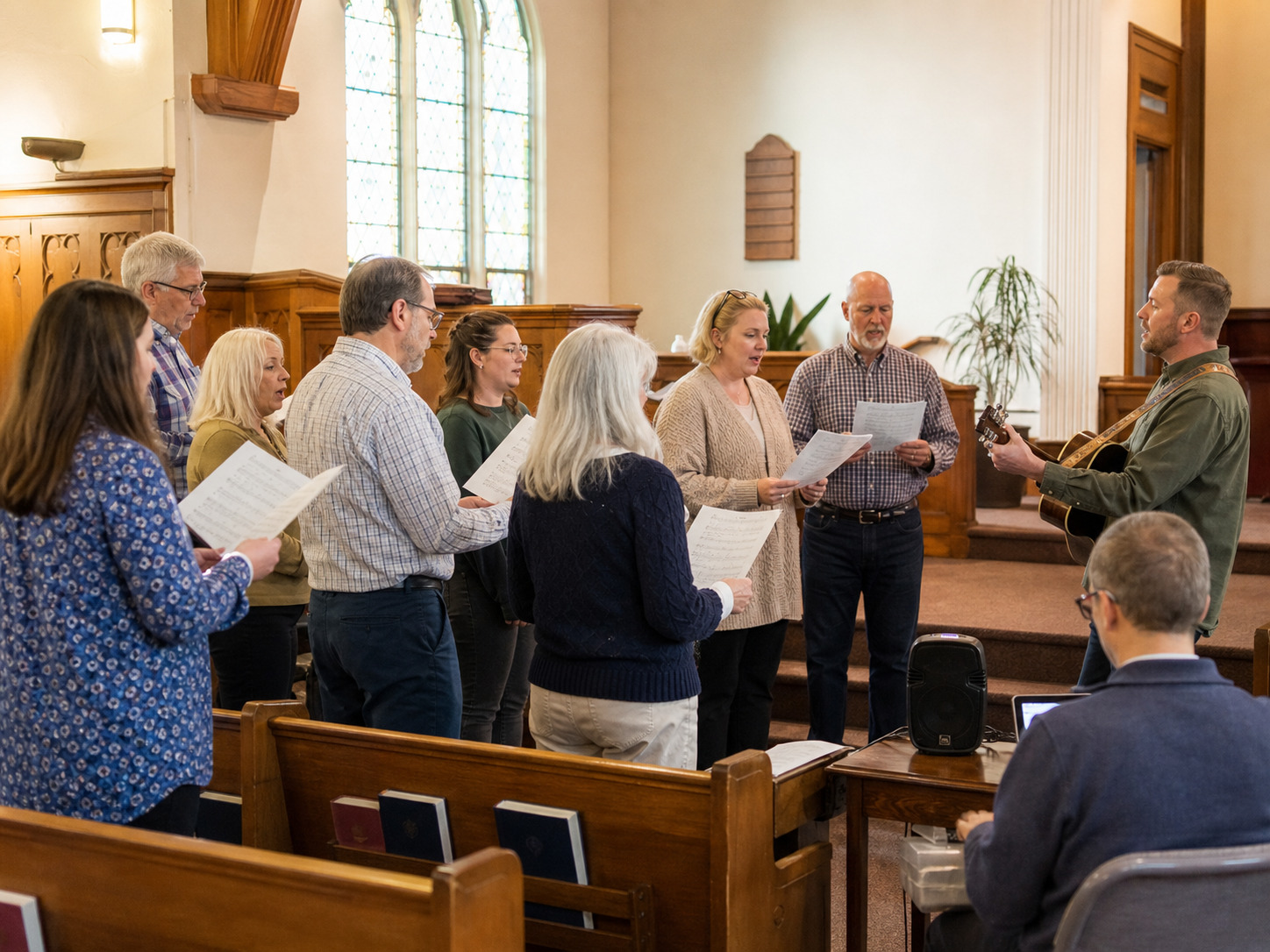
Reformation Sunday music can become crowded quickly. A planning team may want historical hymns, a choir feature, a familiar congregational song, a children’s moment, special readings, and a larger closing—all in one service.
The music works better when it gives the congregation a clear path to participate. Choose a few hymns the room can sing, set them in comfortable keys, explain the verse plan, and let the accompaniment support the words rather than turn the day into a concert.
For churches observing Reformation Sunday on October 25, 2026, the most useful question is not “How many themed songs can we include?” It is “What should the congregation be able to sing and understand together?”
Start with your own congregation’s observance
Not every church marks Reformation Sunday, and those that do may frame it differently. Before choosing music, confirm the service purpose with the pastor or worship leader.
Ask:
- Is the service following the regular lectionary or a local teaching plan?
- Will the day emphasize congregational singing, historical reflection, scripture, prayer, or a church tradition?
- Are guests or multiple generations expected?
- Will the choir, a soloist, children, instrumentalists, or former musicians participate?
- Which hymns does this congregation already know?
- Does the service need a quiet reflective moment as well as a strong communal song?
Those answers help the music serve the actual room. A hymn associated with the day is not automatically useful if the melody, key, verse plan, or arrangement prevents people from joining.
Give every musical selection one job
A focused service arc can include several kinds of participation without making every song carry the entire theme.
| Service moment | Musical job | Practical planning question |
|---|---|---|
| Gathering | Create a recognizable, steady entrance | Can people enter without an extended explanation? |
| Congregational hymn | Let the room sing together | Is the key comfortable for ordinary voices? |
| Scripture or reflection | Leave space around spoken words | Will the arrangement stay beneath the reading or prayer? |
| Choir or solo | Offer a prepared musical response | Does the feature add something the congregation is not already singing? |
| Sending | Close with confidence and clarity | Can the room hear the final phrase and ending? |
One piece can do more than one job, but the plan should still be clear. If the choir feature and the congregational hymn sound nearly identical in scale and purpose, consider simplifying one of them.
Choose familiar hymns before ambitious arrangements
Many congregations associate Reformation Sunday with particular historic hymns. Use that tradition as a starting point, then check what the people in this room can actually sing.
Familiar hymns from the Spiritrax Classic Hymns Collection—including “All Creatures of Our God and King,” “Be Thou My Vision,” “Come Thou Fount of Every Blessing,” “Holy, Holy, Holy,” and “What Wondrous Love Is This”—can support gathering, prayer, congregational singing, or sending when they fit the service text and local tradition.
The collection is not a required Reformation Sunday set. It is a practical source of familiar accompaniment in commonly sung keys. Choose only the songs that fit the service purpose, scripture, congregation, and permissions in place.
Pick the key for the people who will sing
The original or most famous recorded key is not automatically a congregational key.
Preview the full melody and notice:
- the highest sustained phrase;
- the lowest verse line;
- whether the refrain sits higher than the stanza;
- whether a volunteer leader can sing comfortably while cueing the room;
- whether older adults, children, and occasional singers can join without pushing.
If the choir is leading a verse and the congregation joins later, make sure one key serves both groups. If a soloist needs a different range, treat that as a separate feature instead of forcing the whole room into the soloist’s key.
Spiritrax product pages identify track keys, and individual tracks may offer additional transposition choices. Confirm the final file before printing the service order or teaching vocal parts.
Write the verse plan before rehearsal
Historical hymns often have more verses than a service will use. Decide the verse plan early and make sure the track arrangement matches it.
Record:
- which verses will be sung;
- whether the congregation, choir, soloist, or instruments lead each verse;
- where any spoken reading or prayer occurs;
- whether the track plays continuously or stops between sections;
- who gives the next entrance;
- how the final verse ends.
Do not announce “verses one, three, and five” if the downloaded arrangement contains a different number of stanzas without a clean way to move between them. If the service needs a custom cut, build and rehearse that version before the bulletin is final.
Let the introduction teach the entrance
A congregational introduction should establish the key, tempo, and first phrase without becoming a miniature performance.
During rehearsal, stand where the congregation will hear the track and ask:
- Is the melody or pulse recognizable?
- Does the leader know exactly when to breathe?
- Is the first entrance obvious without counting aloud?
- Does the room need a spoken title before playback?
- Will people still hear the introduction when the sanctuary is full?
If the opening feels uncertain, add a clear verbal cue: “Please join on the first verse after the introduction.” Then rehearse the sentence and the button press together.
Balance history with participation
Reformation Sunday can invite historical explanation, but the music should not become a test of church-history knowledge.
Give unfamiliar material a usable frame. A single sentence can tell the congregation why a hymn is present and how they are invited to participate. Avoid a long spoken preface immediately before the track; people may lose the key and tempo while waiting.
When a lesser-known hymn is important to the local observance, consider one of these approaches:
- let the choir sing the first verse before the congregation joins;
- use a guide-vocal demo in an earlier rehearsal or learning resource, not during the service;
- teach the refrain before the day;
- place the unfamiliar piece as a solo or choir response;
- pair it with a familiar congregational closing.
The goal is not to remove history. It is to give people a way into it.
Keep spoken words and prayer audible
If a backing track continues beneath scripture, narration, or prayer, reduce its volume before the speaking begins. Test the balance with the actual microphone and from the seating area.
Instrumental energy that feels supportive during rehearsal can compete with consonants once the room is full. Strong percussion, a rising orchestral build, or a moving inner line may pull attention away from the words.
For a flexible spoken moment, use a quiet excerpt, a planned fade, or silence. The service does not need continuous music to feel connected.
Build a simple three-part music plan
Many churches can support the day with a compact arc.
Gathering: a familiar hymn with a steady introduction
Choose something the congregation recognizes quickly. Keep the opening clear and the volume welcoming rather than overwhelming.
Response: a choir, solo, or reflective hymn
Use this moment to connect more closely with the scripture, prayer, or teaching purpose. If the selection is unfamiliar, let trained singers carry it without pressuring the room to perform.
Sending: one communal song with a clear ending
Choose a final hymn the congregation can sing confidently. Announce the verse plan, use the comfortable key, and rehearse the final cutoff or button so the spoken dismissal does not collide with the track.
This structure leaves room for preaching, scripture, prayer, silence, and the ordinary life of the congregation.
Prepare the playback handoff
A reliable service plan should work even if the usual musician or sound volunteer is absent.
- Download the final files to the playback device.
- Number them in service order.
- Include the key and verse plan in each filename or cue sheet.
- Silence notifications and system sounds.
- Test the cable, wireless connection, and speaker routing.
- Keep a second copy on another device.
- Mark the start, fade, stop, and next spoken cue.
- Let the pastor, worship leader, and operator review the same order.
The track should not depend on one person remembering an undocumented rehearsal decision.
FAQ: Reformation Sunday music
When is Reformation Sunday in 2026?
Many churches that observe Reformation Sunday mark it on the final Sunday of October. In 2026, that date is October 25. Confirm the calendar and practice of your own congregation.
What hymns should a church use?
Start with the service purpose, scripture or teaching plan, local tradition, and hymns the congregation knows. Choose music that people can sing in a comfortable key instead of building a list from theme alone.
How many hymns does the service need?
There is no required number. A gathering hymn, one musical response, and a sending hymn can create a complete arc while leaving room for scripture, prayer, teaching, and silence.
Should the choir or congregation lead?
Use the choir for prepared or unfamiliar material and let the congregation carry music it can enter confidently. The same service can use both roles as long as each transition is clear.
Can a backing track be used under readings or prayer?
Yes, when the arrangement, volume, and timing leave spoken words clear. Test the balance in the room and use silence when it serves the moment better.
What permissions should planners check?
Confirm the permissions that apply to the song, recording, lyric display, public performance, livestream, recording, and later reposting. Downloading an accompaniment track does not automatically grant every use.
The takeaway
Reformation Sunday music does not need to prove how much history the planning team knows. It should help the congregation sing, listen, pray, and leave with a clear sense of the service’s purpose. Choose fewer pieces, use comfortable keys, write the verse plan, test the spoken handoffs, and let dependable accompaniment make participation easier.
Build a focused service arc with familiar downloadable hymn accompaniment, commonly sung keys, sheet music, and selected guide-vocal demos for rehearsal.
Explore the Classic Hymns Collection