
How to Sing The Star-Spangled Banner for Church and Community Events
Holiday & Special Occasion Music
By Spiritrax Content Studio · April 30, 2026
Updated April 30, 2026
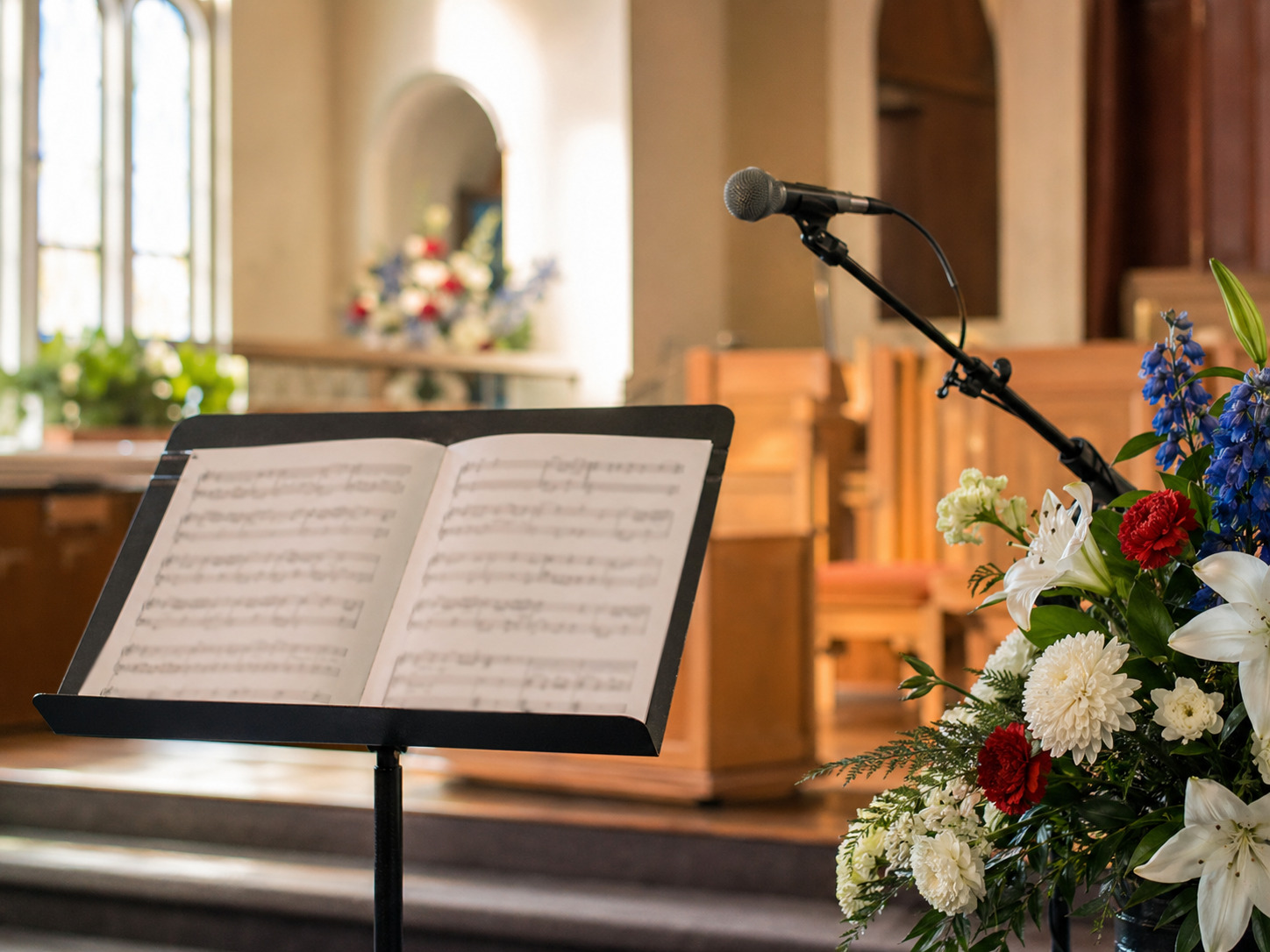
A soloist can know The Star-Spangled Banner by heart and still feel the room change when it is time to sing. The melody is familiar, the words are public, and the range is unforgiving. In a church service, school program, Memorial Day ceremony, July 4 gathering, or civic event, the anthem needs confidence without showboating.
The best preparation is practical. Choose the right key, learn where to breathe, rehearse with the exact track, and decide how the song will begin and end before anyone steps to the microphone.
Choose the key before choosing the moment
The national anthem covers a wide range, and many singers start too high because the opening phrase feels comfortable. The test is not the first line. The test is whether the singer can sing the highest phrases with a clear tone after standing still, waiting through announcements, and managing nerves.
A good key should let the singer start calmly and finish strongly. If the high notes only work in a practice room, the key is probably too high for a service or community event. For congregational singing, choose a key that normal voices can follow, not only the soloist.
Backing tracks are useful because they make the key decision concrete. Once the key is chosen, rehearse only with that version so the singer's ear, breath, and entrances settle into one reliable frame.
Plan breaths instead of hoping for them
The Star-Spangled Banner is difficult because the long phrases arrive before the big notes. Mark breaths in advance. The goal is not to take as few breaths as possible. The goal is to keep the text clear and the tone steady.
Useful breath points often come before major thought changes:
- After "dawn's early light"
- Before "whose broad stripes and bright stars"
- Before "and the rockets' red glare"
- Before "O say does that star-spangled banner yet wave"
Every singer is different, so these are planning points rather than rules. The important thing is that the breaths are intentional. If the singer waits until they are out of air, the final section usually becomes tense.
Keep tempo dignified and singable
The anthem should not drag, but it also should not feel rushed. A service setting needs enough space for the words to land. Outdoor events may need a slightly steadier tempo because wind, crowd noise, and sound delay can make rubato hard to follow.
If a backing track has a natural shape, follow it. Do not add extra pauses unless they are already supported by the arrangement. When the singer and track agree on tempo, the whole event feels more settled.
Rehearse the first note, not just the climax
Many singers practice the highest phrase over and over, then feel uncertain at the start. The opening matters because it tells the room whether the performance is secure.
Practice the first entrance with the track several times in a row. Listen for the starting pitch, the tempo, and the exact moment the voice enters. If there will be an introduction, the singer should know how many measures happen before singing.
For a church service or civic ceremony, rehearse the microphone position too. Standing too close can make loud phrases harsh; standing too far away can make quiet words disappear. A quick sound check prevents most surprises.
Fit the anthem into the service flow
Decide where the anthem belongs. At some events it works best near the opening, after a welcome and before a prayer or reading. At others it may follow a presentation of colors, a moment of remembrance, or a community recognition.
The surrounding tone matters. Memorial Day often calls for restraint and gratitude. July 4 events may carry more brightness. Veterans Day services may need a balance of honor, prayer, and reflection. The anthem can serve each setting, but the delivery should match the purpose of the gathering.
Quick checklist for worship leaders and event planners
Before the event, confirm:
- The singer has the final key and track.
- The sound team has the correct audio file downloaded.
- The device, cable, and backup playback option are ready.
- The singer knows the introduction and ending.
- The microphone is tested at both soft and loud dynamics.
- The person introducing the anthem knows exactly when to step away.
These details are small, but they protect the moment. A clear plan lets the singer focus on meaning instead of logistics.
Frequently asked questions
What is the best key for The Star-Spangled Banner? The best key is the one that lets the singer handle the highest phrases with healthy tone. Do not choose only by the opening line.
Should the anthem be sung by a soloist or congregation? Either can work. Soloists are often best for ceremonies; congregational singing can work when the key and tempo are comfortable for the room.
Can a backing track work outdoors? Yes. A backing track can keep tempo steady and support the singer when a piano, organ, or small ensemble would be hard to hear.
The Star-Spangled Banner carries weight because people already know it. Preparation does not make it less sincere. It makes the moment steadier, clearer, and easier for the room to receive.
Preparing a soloist or ensemble for the anthem? Use the Spiritrax Star-Spangled Banner backing track for a steady, service-ready performance.
Browse the Anthem Track