
The Star-Spangled Banner Is Easier When the Key Fits the Room
Holiday & Special Occasion Music
By Spiritrax Content Studio · June 15, 2026
Updated June 15, 2026
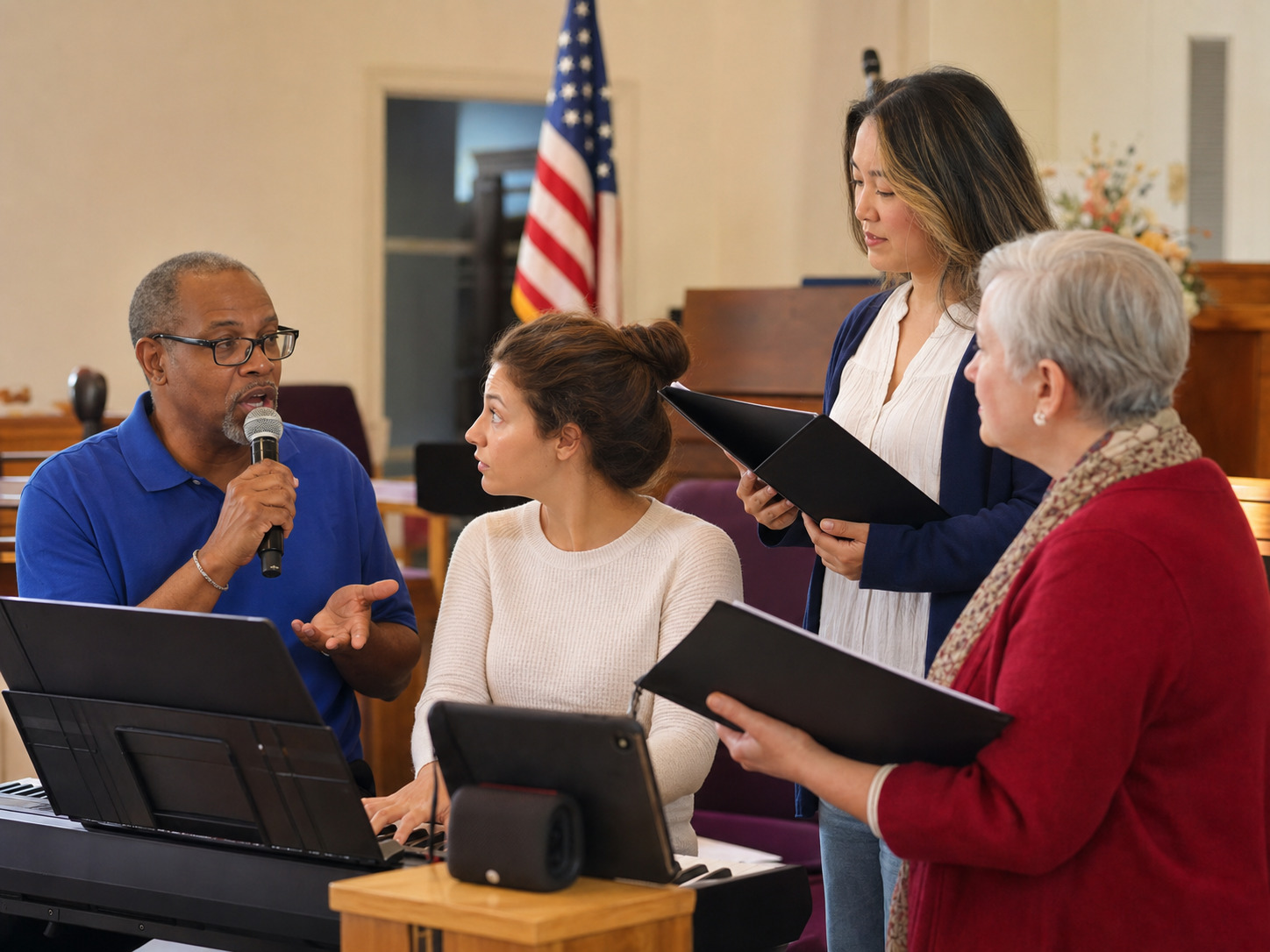
A patriotic service, school assembly, veterans event, or civic program can start confidently when the singer is not fighting the key. The melody is familiar, but the range is wider than many people expect, and the room often notices strain before it notices the accompaniment.
The best backing track choice is not always the most famous key. It is the one that lets the soloist sing clearly, the audience listen comfortably, and the service or ceremony keep its shape.
Start with the singer, not the tradition
Many singers know the anthem from public events, recordings, or memory. That can make the original-feeling version seem automatic. In practice, the right key depends on the voice in front of you.
Ask the singer to try the highest phrase first, not the opening line. The beginning can feel comfortable in almost any key. The real test comes later, when the melody climbs and the singer has to keep tone, breath, and diction together.
A good key lets the singer do three things:
- sing the highest notes without shouting,
- keep the low opening phrases present,
- finish the final section with control instead of survival.
If one of those fails, move the key before rehearsal habits settle in.
Match the key to the setting
A soloist in a quiet chapel has different needs than a student singer in a gym, a cantor at a civic remembrance, or a worship leader outdoors with a portable speaker.
In a reverent worship service, a slightly lower key may protect the tone and keep the moment from feeling showy. In a school or community program, the key should help the singer project clearly without forcing the last phrases. For a room-wide singalong, avoid a key that only works for one strong solo voice.
The goal is not to make the song small. The goal is to make it singable enough that the meaning survives the moment.
Use a backing track to test the full arc
Piano testing is useful, but the backing track tells you how the song will actually feel in the room. The intro length, tempo, accompaniment texture, and final cadence all affect the singer's confidence.
Before choosing the final version, rehearse the complete track at least once. Do not stop after the opening phrase. Listen for the places where the singer starts to push, rush, or hold back.
If the highest phrase feels exciting but tense, try a lower key. If the opening sits too low and loses clarity, try a higher one. The right version usually feels steady from the first entrance through the ending.
A practical key-choice plan
Use this quick sequence before the program week:
- Have the soloist warm up normally.
- Test the highest phrase in two or three keys.
- Sing the opening phrase in the same keys to check low-range clarity.
- Run the full backing track in the strongest option.
- Confirm the playback device, volume, and entrance cue.
- Save the final file where the service leader or tech volunteer can find it.
This is simple work, but it prevents the most common problem: choosing a key from memory instead of from the actual room.
Common mistakes to avoid
Choosing only by the first note
The opening phrase can hide the real range. Always test the climactic phrases before deciding.
Letting the track be too loud
A patriotic track should support the singer, not compete with them. Set the level so the words stay clear.
Waiting until the event starts
The anthem is often placed near the beginning of a program. If the key or playback setup is wrong, the whole room feels it immediately.
Assuming every singer needs the same version
Different singers need different ranges. A key that sounds strong for one vocalist may be uncomfortable for another.
FAQ: choosing a key for a patriotic backing track
Is a lower key less respectful?
No. A respectful performance is clear, steady, and singable. A comfortable key often helps the singer deliver the text with more care.
Should a congregation or audience sing along?
Only if the event is planned that way. If the room is expected to join, choose a key that works for average voices, not only for the soloist.
How early should the key be chosen?
Choose it before the final rehearsal or service run-through. The singer and sound volunteer both need time to practice the same version.
Can one backing track work for several events?
Yes, if the singer and setting are similar. If the soloist changes, retest the key instead of assuming the previous version will still fit.
The takeaway
The strongest patriotic music plan is usually the clearest one. Pick a key that respects the singer, test it with the actual track, and make the playback cue easy for the person running the room.
Choose the key that fits the singer and the room before the service or ceremony begins. Spiritrax offers The Star-Spangled Banner backing track in multiple keys for practical rehearsal and performance planning.
Hear The Star-Spangled Banner