
You Are My All In All Needs a Track Plan the Room Can Follow
Worship Music & Hymn Resources
By Spiritrax Content Studio · June 12, 2026
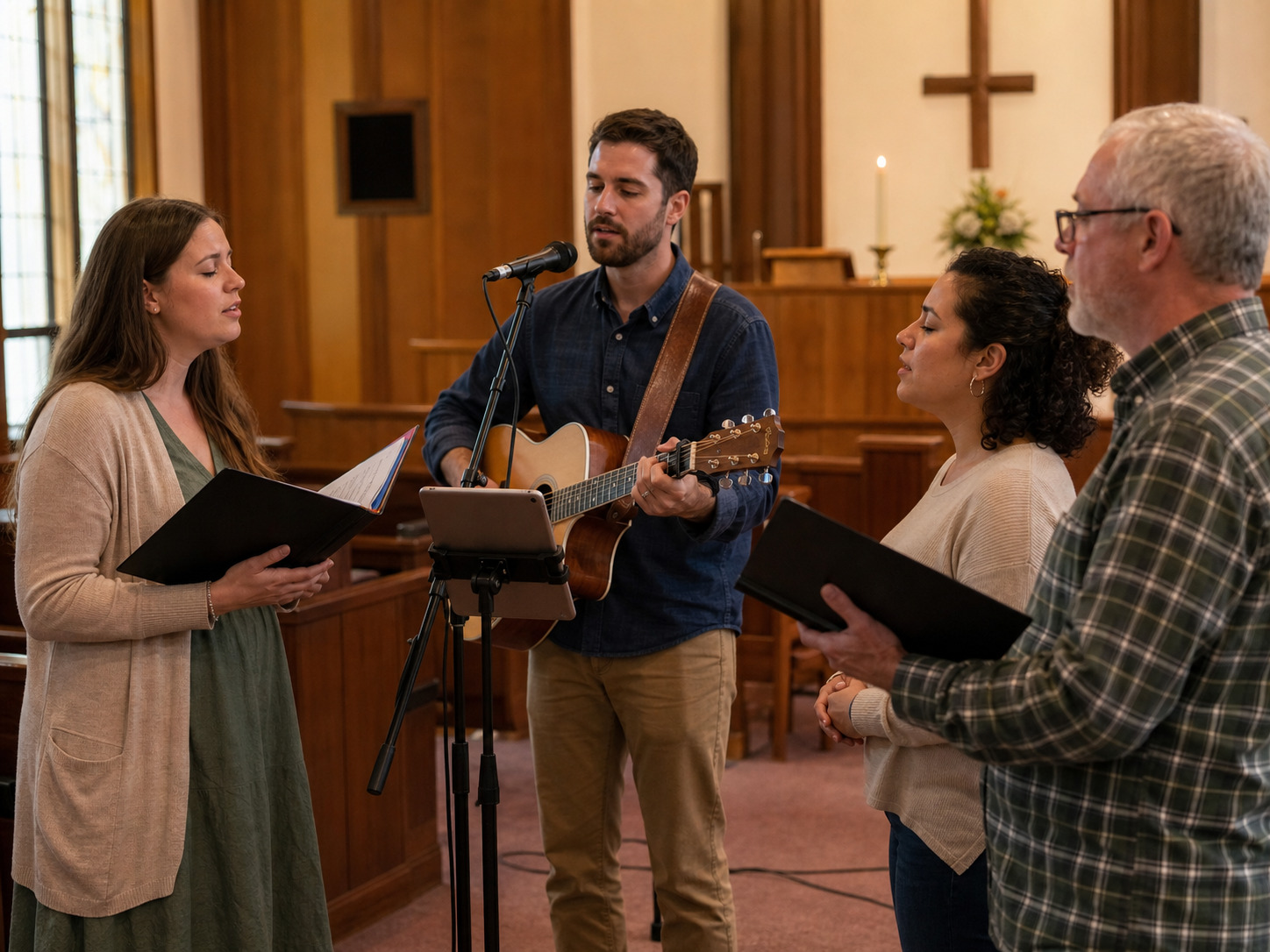
A worship song can be familiar and still need a careful plan.
When a leader, soloist, choir, or small group uses a backing track, the room has to know where the entrance is, how the tempo feels, and whether the arrangement is meant for listening, congregational singing, or a quiet response.
That planning matters for You Are My All In All because the song often works best when it stays simple, steady, and easy to follow.
Decide whether the room will sing
Start with one question: is this a solo, a worship-team feature, a choir moment, or a congregational song?
That decision changes everything.
If the congregation will sing, the key and tempo need to be comfortable for many voices. If the song is a solo, the key should fit the singer and the microphone should carry the text clearly. If a choir is leading, entrances and cutoffs need more rehearsal than the room may expect from a familiar chorus.
Write that purpose at the top of the service plan before choosing the track.
Test the key with the actual leader
A song can feel comfortable at home and less comfortable in the room.
Before service day, test:
- the opening phrase,
- the highest repeated phrase,
- the final section after the singer is tired,
- whether the congregation can join without pushing,
- and whether the track introduction gives enough time to breathe.
The best key is the one that lets the words sound natural. It is not automatically the original key, the lowest key, or the key that feels easiest for one line.
Mark the first entrance
Most backing-track problems begin at the first entrance.
The track starts. The leader looks down. The choir is still settling. The sound operator is watching the wrong person. Then the song feels uncertain before it has a chance to become prayerful.
Prevent that with a simple cue note:
- who starts the song,
- where they stand,
- who gives the visual cue,
- whether anyone speaks before the track begins,
- and how many beats or measures happen before singing starts.
That note should be visible to the worship leader and the sound team.
Keep the arrangement from becoming too heavy
Some worship moments need restraint.
If the song follows prayer, communion, testimony, or a reflective reading, let the track support the room instead of filling every space. If the arrangement builds, decide whether the build supports the service moment or pulls attention away from it.
Good rehearsal questions include:
- Should the first verse feel like a solo prayer?
- Should the congregation enter later?
- Should the choir sing harmony from the beginning or wait?
- Does the ending need a clean stop, a fade, or a spoken transition?
Those choices keep the accompaniment connected to the service rather than simply playing from start to finish.
Give volunteers a clear sound-check routine
Many churches rely on rotating volunteers. A short routine can make the track feel dependable even when the team is small.
Before the service:
- Play the first 20 seconds through the actual sound system.
- Confirm the playback device and backup file.
- Set the solo or worship leader microphone level.
- Test any choir microphones or room pickup.
- Practice the spoken cue into the track start.
- Confirm the stop, fade, or next service element.
Do not rely on a phone speaker rehearsal. The room changes how the track, guitar, voices, and microphones sit together.
Use a simple service placement
The song can work in several parts of a service, but the placement should have a purpose.
| Service moment | Best use | Planning note |
|---|---|---|
| Prelude | Sets a prayerful tone | Keep volume low and avoid demanding attention |
| Offering | Supports a solo or small group | Confirm microphone and ending cue |
| Response after prayer | Leaves space for reflection | Avoid rushing the first entrance |
| Congregational song | Lets the room participate | Choose a singable key and clear intro |
Placement helps decide volume, leadership, and whether the room should join.
Make the lyric support separate from the track
Do not make the backing track carry the entire service moment by itself.
If the congregation is singing, use the church's normal lyric display, bulletin, hymnal, or worship slides according to the licenses and practices already in place. If the song is a solo, make sure the leader has a clean copy of the service order and knows whether to introduce the song.
The track provides accompaniment. The worship plan provides context.
FAQ: You Are My All In All backing track planning
Can this song work as a solo?
Yes. A solo works well when the key fits the singer, the first entrance is rehearsed, and the sound team knows whether the song ends cleanly or moves into another service element.
Can the congregation sing with a backing track?
Yes, if the key is comfortable and the leader gives a confident entrance. Test the track in the room before asking the congregation to join.
What should the sound team write down?
Write the track title, service placement, playback device, start cue, first singer, microphone needs, and stop or fade instruction.
Should this article include an in-article ad block?
No. This is a worship-planning and conversion-focused topic where an ad interruption would distract from the reader's service preparation.
The takeaway
A familiar worship song still benefits from a practical rehearsal plan.
Choose the service purpose, test the key with real voices, mark the first entrance, and give the sound team a cue sheet simple enough to follow on a busy Sunday morning.
Prepare You Are My All In All with a dependable Spiritrax accompaniment track your worship leader, soloist, choir, and sound team can rehearse before service.
Listen to You Are My All In All